12 South Renter & Owner Notes: The Small Details That Matter
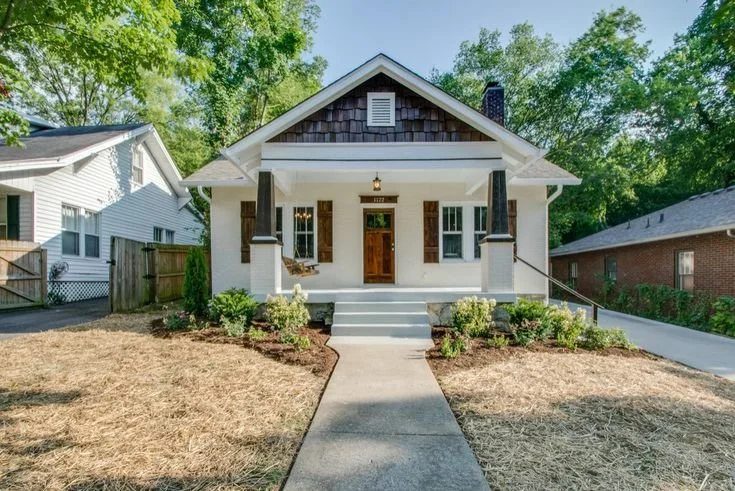
12 South is one of Nashville's most in-demand rental pockets, but a few neighborhood-specific details tend to get overlooked until they cause a problem. Here's what's worth knowing.
Parking is the first question tenants ask. Street parking near the retail strip can be tight, especially on weekends. Listings that address this upfront — rather than letting a prospective tenant discover it during a showing — tend to avoid awkward surprises later.
Noise carries more than people expect on blocks closest to 12th Ave. Weekend evenings in particular can be louder than a quiet residential block elsewhere in the city. Not a dealbreaker for most renters, but worth mentioning honestly rather than letting it become a complaint after move-in.
Older electrical panels are common in this part of the neighborhood. Many of the homes here predate modern code requirements. It's not usually an issue day-to-day, but it's worth having inspected before assuming a panel can handle window units, space heaters, or other added load.
None of these are dealbreakers — they're just the kind of neighborhood-specific detail that saves both renters and owners a headache if it's addressed upfront instead of after the fact.
FAQ
Is parking a problem in 12 South? Street parking near the retail strip can be tight, especially on weekends, which is why it's usually the first question renters ask before signing a lease in this part of the neighborhood.
Is 12 South a noisy place to live? Blocks closest to the 12th Ave retail strip carry more noise than people expect, particularly on weekend evenings — though it doesn't bother every renter and varies block by block.
Do older 12 South homes have outdated electrical systems? Many do, since a lot of the housing stock predates modern code. It's not usually a day-to-day issue, but it's worth having a panel inspected before adding window units or space heaters.
What's Actually Driving Germantown Rental Demand Right Now
Germantown has held up as one of the stronger rental submarkets in Nashville this year, even as some other areas have cooled. Here's a look at what's actually behind that, and what tends to separate a listing that rents fast from one that sits.
Walkability is outweighing square footage for a lot of renters. Proximity to the Farmers' Market, Bicentennial Mall, and downtown carries real weight — enough that some tenants will trade an extra bedroom for a shorter walk to these spots.
New construction has been a net positive for older rentals, not a threat. More new development has meant more people moving into the area overall, and not everyone wants — or can afford — new-build rent prices. That's kept demand healthy for well-maintained older homes too.
The listings that move fastest share a few traits. Pricing based on current comparable rentals (not a number from a year or two ago), genuinely good photos instead of a handful of dark phone shots, and a quick turnaround on reviewing applications once they start coming in.
None of this is complicated, but it explains a lot about why some Germantown rentals lease in days while similar-looking homes nearby sit for weeks.
FAQ
Why is Germantown rental demand staying strong? Walkability to spots like the Farmers' Market and downtown is driving demand as much as square footage, and new construction in the area has brought in more renters overall rather than competing away demand for older homes.
Does new construction hurt rental demand for older homes nearby? Not necessarily — in Germantown it's had the opposite effect, bringing more people into the area who then look at a range of price points, including well-maintained older rentals.
What makes a Germantown rental lease faster? Pricing based on current comparable rentals, quality listing photos, and a fast turnaround reviewing applications are the three factors that most consistently separate homes that lease quickly from ones that sit.
How the Nashville Rental Market Actually Works: A Few Things Most Owners May Not Know
If you own a home in Nashville — or you're thinking about renting one out for the first time — there's a handful of things about how the local rental market actually works that don't get talked about much.
Pricing is driven by comps, not history. A lot of first-time landlords assume their rent price should be based on what they paid for the home, their mortgage, or what a neighbor mentioned once. In reality, rent is set by what similar homes are currently renting for nearby — size, condition, and location matter more than what the home is "worth" on paper.
Screening is about more than credit score. Most tenant applications get judged heavily on credit, but verified rental history — on-time payments, how a previous landlord describes the tenant — is usually a stronger predictor of how someone will actually treat a property and pay rent long-term.
Most expensive repairs are preventable. Frozen pipes in January, AC failures in July, foundation issues from bad drainage — these are the calls that cost landlords the most, and almost all of them are avoidable with basic seasonal maintenance. The problem is most owners don't find out what to check until something's already broken.
None of this is complicated once you know it, but it's the kind of thing that usually gets learned the expensive way. If you're navigating any of this and want to talk it through, happy to help.
FAQ
How is rent price actually determined in Nashville? Rent is set primarily by what comparable homes are currently renting for nearby — factoring in size, condition, and location — not by what the owner paid, the mortgage amount, or the home's sale value.
What matters most when screening a tenant? Income (typically 2.5–3x the monthly rent), credit, and rental history all factor in, but verified rental history from a previous landlord tends to be the strongest predictor of how a tenant will actually pay and treat a property long-term.
What are the most common expensive repairs for Nashville landlords? Frozen pipes in winter, AC failures in summer, and foundation or crawlspace issues from poor drainage are among the most common — and most are preventable with basic seasonal maintenance.